The Complete Guide to Car Engine Types and How They Work
January 26, 2026
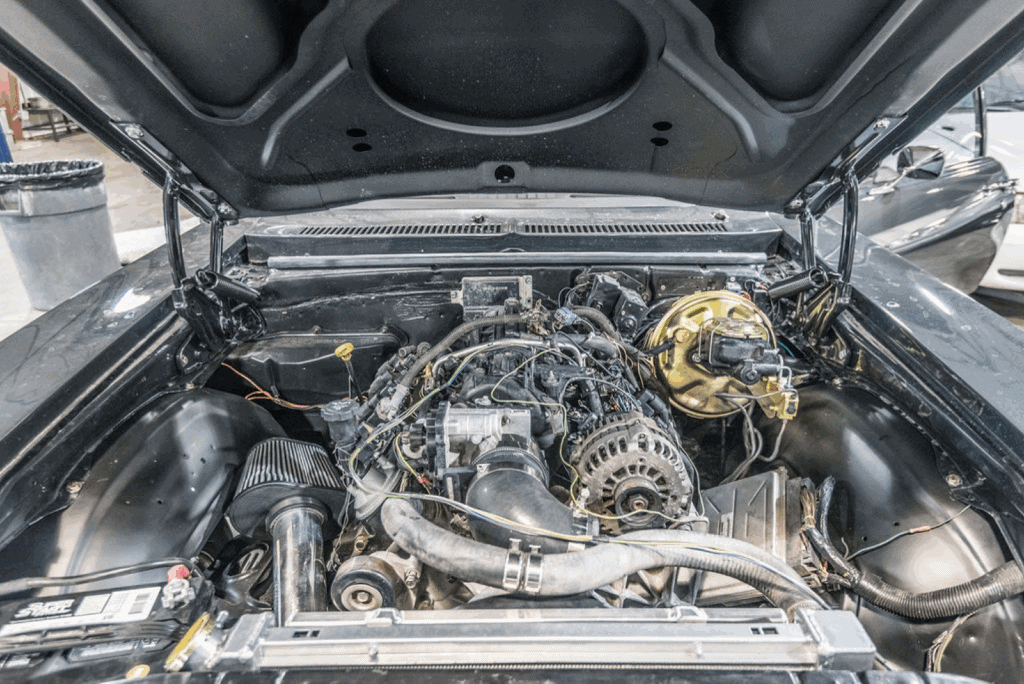
When you lift the hood of a car, you’re looking at one of the most fascinating machines ever built: the engine. It’s the heart of every vehicle, transforming fuel (or electricity) into the power that moves you down the road. But not all engines are the same.
From traditional gas engines to hybrid and electric powertrains, each type operates differently, with its own strengths, challenges, and design characteristics.
If you’re the kind of person who loves knowing what makes machines tick, or you’re thinking about a career in automotive technology, understanding different types of engines in cars is essential.
Car Engine Types Explained
Before diving into the different car engine types, it helps to understand the basics of how an engine actually works.
Most vehicles still use internal combustion engines (ICE). These engines burn fuel and air inside cylinders to create controlled explosions that push pistons up and down. That motion turns the crankshaft, which ultimately spins the wheels.
Here’s how the four-stroke combustion cycle works in simple terms:
- Intake: Air and fuel enter the cylinder.
- Compression: The piston moves up, squeezing the mixture.
- Power (Combustion): A spark ignites the fuel, forcing the piston down.
- Exhaust: Burned gases exit through the exhaust valve.
This happens thousands of times per minute in every cylinder, creating the rhythmic hum of an engine at work.
At WyoTech, students in the Automotive Technology Program learn this process from the ground up, taking apart and rebuilding engines to see exactly how each component contributes to performance.
Internal Combustion Engine Types
There are two main internal combustion engine types: gasoline (petrol) and diesel. Both rely on compression and combustion, but they work differently under the hood.
Gasoline (Petrol) Engines
- Use spark plugs to ignite the air-fuel mixture.
- Known for smooth, quick acceleration.
- Common in most passenger cars and light trucks.
Gasoline engines tend to rev higher and are generally quieter, which makes them ideal for everyday driving.
Diesel Engines
- Rely on compression instead of spark plugs; the air inside gets so hot it ignites the fuel.
- Deliver more torque at lower RPMs, making them great for towing and hauling.
- Known for long life and excellent fuel efficiency.
WyoTech’s Diesel Technology Program dives deep into these systems, training students to service, diagnose, and rebuild heavy-duty diesel engines used in trucks and industrial applications.
Types of Engine Configurations
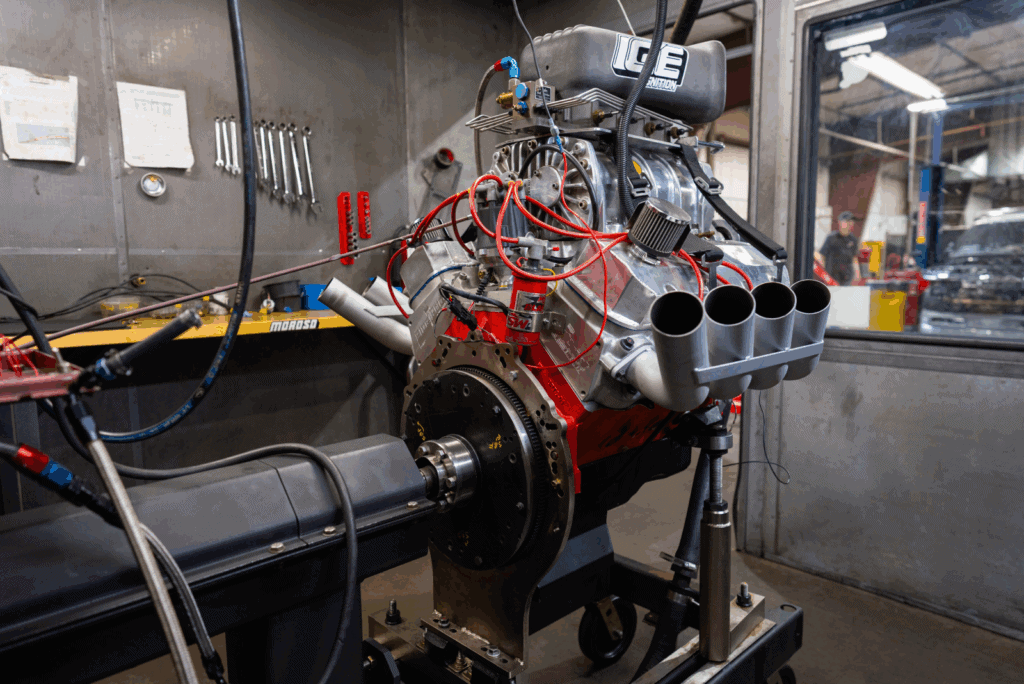
The way cylinders are arranged inside an engine is called its configuration. This design affects performance, smoothness, balance, and even the sound. Here are the most common types of engine configurations you’ll find on the road:
| Engine Type | Description | Key Benefits / Notes |
| Inline (I) Engines | Cylinders are arranged in a straight line, one after another. | Compact and efficient; common in four-cylinder cars. Easier to maintain due to simple design. |
| V Engines | Cylinders are placed in two angled banks, forming a “V” shape. | Popular in six- and eight-cylinder performance engines. Provides more power and balance in a compact space. |
| Flat (Boxer) Engines | Cylinders lie horizontally, opposite each other. | Found in performance cars like Subarus and Porsches. Offers a lower center of gravity and excellent balance. |
| Straight Engines | Similar to inline but usually longer, allowing for more cylinders (e.g., inline-six). | Smooth operation with high torque output. |
Each configuration has trade-offs in size, weight, vibration, and efficiency. Automotive students learn how these setups impact performance and why certain manufacturers prefer one layout over another.
Diesel vs Petrol Engine: What’s the Difference?
The diesel vs petrol engine debate is about how each engine is built to serve a specific purpose. Both have unique strengths that make them better suited for different vehicles and driving styles.
Diesel Engines
Diesel engines are designed for efficiency, torque, and longevity. They burn fuel at a higher compression ratio, which means more energy is extracted from every drop of diesel. This makes them ideal for trucks, heavy-duty vehicles, and industrial equipment that need consistent power over long periods.
Diesel engines also tend to last longer because their components are built to withstand higher pressures and tougher working conditions. They may not rev as high as petrol engines, but their low-end torque makes towing, hauling, and climbing steep grades much easier.
Petrol Engines
Petrol engines, on the other hand, prioritize speed, smoothness, and quick throttle response. They’re lighter and rev faster, giving drivers the kind of instant acceleration that’s perfect for sports cars, compact sedans, and performance vehicles.
While petrol engines generally have a shorter lifespan and lower fuel efficiency than diesel, they deliver a more refined and quieter ride, something most daily drivers appreciate.
When comparing diesel vs petrol engines, the choice ultimately depends on what you need your vehicle to do. If you’re after durability, towing power, and fuel efficiency, diesel is the clear winner. But if your goal is responsive performance and lighter handling, petrol engines still dominate the road.
Hybrid Car Engines
Hybrid car engines combine a gasoline engine with an electric motor to deliver improved fuel economy, reduced emissions, and smooth performance, all without sacrificing the convenience of a long driving range.
Here’s how hybrid engines work in practice:
- The gasoline engine assists the car during regular operation and helps charge the high-voltage battery.
- The electric motor provides instant torque during acceleration and often powers the car at lower speeds, reducing fuel consumption.
- Regenerative braking captures energy normally lost during braking and stores it back in the battery for later use.
There are also different types of hybrid car engines, including:
- Mild hybrids, which use a small electric motor to support the engine but can’t run solely on electric power.
- Full hybrids, capable of running on just the engine, just the electric motor, or a combination of both.
- Plug-in hybrids (PHEVs) can be charged externally and travel longer distances on electric power alone.
As hybrid and electric vehicles become more common, understanding how these systems work is crucial for today’s technicians. At WyoTech, students gain hands-on experience with the electrical, mechanical, and diagnostic systems behind hybrid car engines.
From battery management to regenerative braking systems, they’re learning the skills needed to service and repair the next generation of vehicles, driving the future of the automotive industry.
Electric Car Engines (Motors)
While we often call them electric car engines, EVs actually run on electric motors, a cleaner, simpler, and more efficient system than traditional combustion engines. Instead of burning fuel, electric vehicles draw energy from large battery packs, which power one or more motors to turn the wheels. The process eliminates the need for gasoline altogether.
Here’s how electric car motors work:
- Power Source: Electricity stored in the battery pack replaces fuel, delivering energy directly to the motor.
- Operation: The motor converts electrical energy into mechanical motion, spinning the wheels instantly and efficiently.
- Performance: Electric motors provide instant torque, near-silent operation, and zero tailpipe emissions, a major advantage for performance and sustainability.
Unlike traditional engines with hundreds of moving parts, electric car motors are simpler to maintain but require a deep understanding of high-voltage systems, electronic controls, and energy management.
At WyoTech, students can explore pathways into emerging fields like Electric Vehicle Systems, preparing for careers in diagnostics, maintenance, and next-generation propulsion technology.
Other Engine Innovations
Today’s engines are pushing boundaries far beyond fuel type. They’re defined by engineering innovation and smarter performance. Advances in design, materials, and technology are helping manufacturers squeeze more power, efficiency, and longevity out of every drop of fuel (or volt of energy).
Here are some of the most exciting developments shaping the future of powertrains:
Turbocharged Engines
Turbocharged engines generate more power without increasing engine size by compressing air into cylinders. This delivers stronger performance and better fuel economy, a key reason turbos have become standard in many modern vehicles.
Supercharged Engines
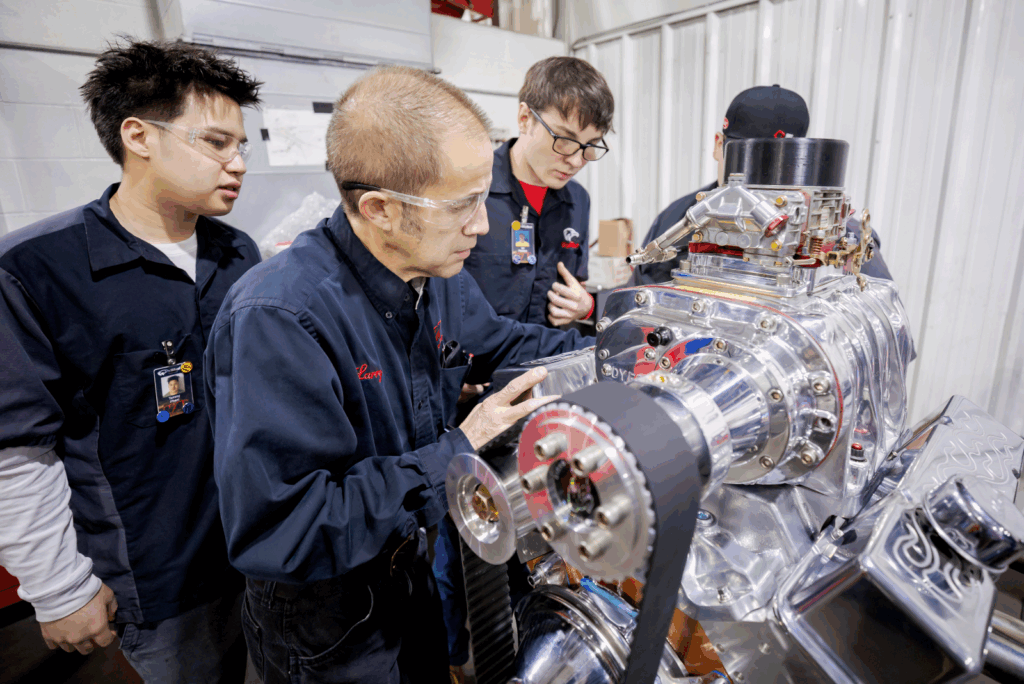
Superchargers use a belt-driven compressor to force air into the engine, creating instant power with no lag. This setup is especially popular in muscle cars and performance vehicles, where responsiveness and acceleration matter most.
Rotary (Wankel) Engines
Known for their compact design and high RPM capabilities, rotary engines use a spinning rotor instead of pistons. They’re lightweight, smooth, and capable of producing impressive power from a small displacement, a hallmark of Mazda’s engineering legacy.
Hydrogen Combustion & Fuel Cells
Hydrogen engines and fuel cells represent a potential leap forward in clean propulsion. Hydrogen combustion engines burn hydrogen gas instead of gasoline, while hydrogen fuel cells convert it into electricity, both producing only water vapor as exhaust. These innovations could shape the next generation of sustainable internal combustion and electric hybrids.
Why Understanding Engine Types Matters
Whether you’re tuning your own project car or planning a career under the hood, knowing how car engines work gives you an edge. It helps you diagnose issues, improve performance, and understand the relationship between power, efficiency, and design.
At WyoTech, that knowledge isn’t all learned from a textbook. Instead, it’s earned through hands-on training. Students spend roughly 50% of their time in the shop, tearing down, rebuilding, and testing real engines across different platforms.
From internal combustion engine types to hybrid and electric systems, WyoTech prepares future technicians to handle whatever rolls into the shop next.
Thinking About a Career in Automotive or Diesel Technology?

Engines have come a long way, from roaring V8s to whisper-quiet electric motors, but the core principle remains the same: converting energy into motion. Understanding different types of engines in cars helps you appreciate not just how vehicles run, but how they’re built, tuned, and refined for performance.
If learning how engines work sounds like your kind of challenge, WyoTech offers fast, focused programs that get you career-ready in as little as nine months.
Explore these training paths:
- Automotive Technology
- Diesel Technology
- Applied Welding Technology
- Collision and Refinishing Technology
Each program gives you the real-world experience and technical confidence to turn your passion for engines into a full-time career.
Whether you want to rebuild engines, modify performance systems, or help shape the future of automotive technology, WyoTech is where it starts.